
Receiving a Notice of Violation from the NYC Department of Transportation isn’t just a simple maintenance request; it’s a ticking clock that can lead to a permanent lien on your property title if ignored. Most property owners feel a sudden weight of responsibility and confusion when they see that 75-day deadline. It’s understandable to worry about the high cost of city-mandated repairs or the technicalities of DOT specifications. Learning the specifics of how to sidewalk violation & Repair NYC is the only way to ensure your property remains compliant without overpaying for city-led contractors who may not prioritize the craftsmanship your home deserves.
We understand that managing local regulations feels like a daunting task when you’re already focused on property upkeep. This article provides a clear, professional path to dismissing your violation and restoring your sidewalk’s structural integrity. You’ll learn the exact steps to dispute an unfair notice, follow the correct permit protocols, and ensure your repairs meet the city’s 1/2-inch safety standards. We’ll outline the entire process from the initial inspection report to the final dismissal, giving you the peace of mind that comes with a job done right.
Table of Contents
Navigating the NYC DOT Sidewalk Violation Process in 2026
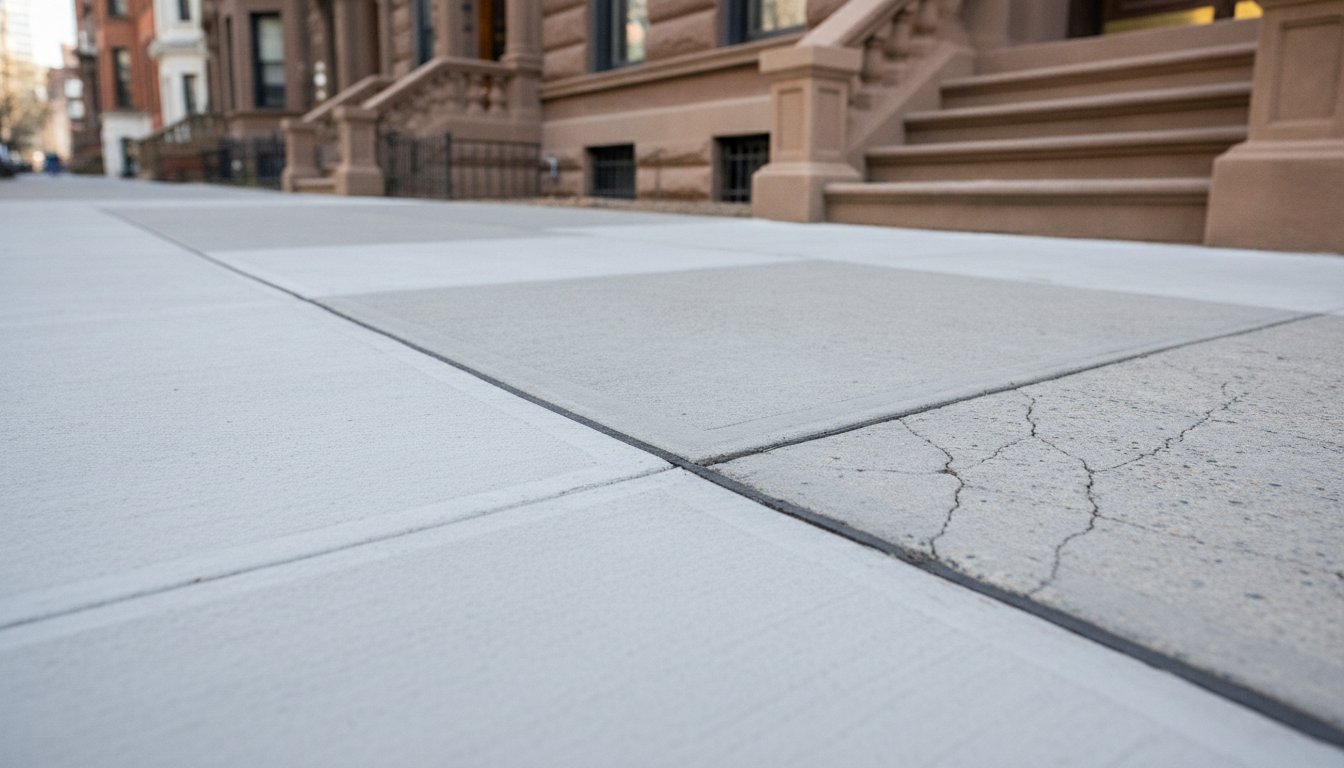
A sidewalk violation is a formal notice issued by the NYC Department of Transportation (DOT) declaring that your walkway is in a "defective" condition. This isn’t a random request for maintenance; it’s a legal mandate based on specific safety standards. The DOT identifies defects through several common triggers, most notably trip hazards where adjacent sidewalk flags have a vertical difference of 1/2 inch or more. Other triggers include shattered concrete, large cracks, or "undermined" sections where soil has washed away beneath the pavement. Understanding how to sidewalk violation & Repair NYC starts with recognizing these physical defects before they become legal liabilities.
To better understand your responsibilities as a property owner, watch this official guide from the NYC DOT:
Once you receive the notice, a 75-day clock begins. This is your window to hire a private contractor, pull the necessary permits, and complete the restoration. If you miss this deadline, the City reserves the right to perform the repairs using its own contractors. While there is a common myth that these notices come with an immediate cash fine, the reality is a different kind of financial pressure. Instead of a ticket, the violation is recorded as a legal encumbrance on your property title, effectively acting as a lien that stays until the work is inspected and cleared.
The Consequences of Ignoring a DOT Notice
An active violation creates significant hurdles if you plan to sell or refinance your property. Banks and buyers typically require a clean title, and a pending sidewalk violation will often stall a closing until the record is cleared. Beyond the title issues, the liability risks are substantial. The history of sidewalk liability in NYC demonstrates how the legal burden has shifted to property owners. If a pedestrian trips on a defect that the DOT has already cited, the violation notice can be used as powerful evidence in a personal injury lawsuit against you.
Understanding the Yellow Notice
The physical violation notice is often a yellow document posted on the property or sent via certified mail. It includes a Preliminary Inspection Report (PIR) that maps out the specific flags requiring repair. The DOT records this notice with the County Clerk to ensure the defect is a matter of public record. The County Clerk filing is the specific legal mechanism that clouds your title and notifies future creditors of the outstanding repair obligation.
How to Fight or Dispute a Sidewalk Violation Effectively
Disputing a notice begins with a precise self-inspection. You should compare the Preliminary Inspection Report (PIR) against the actual physical condition of your walkway. Use a ruler to verify if vertical differences between flags truly exceed the 1/2-inch threshold. If the DOT’s claims don’t match reality, document the area with clear, timestamped photographs from multiple angles. This evidence is vital when you request a formal re-inspection through 311. Following the official NYC sidewalk violation process allows you to challenge errors before investing in unnecessary repairs.
Success in a dispute often hinges on identifying third-party responsibility. Before you commit to a project, determine if the damage was caused by factors outside your control, such as city-owned trees or utility infrastructure. If you need an expert eye to help identify these issues, consulting a professional sidewalk violation removal specialist can save you thousands in city-led repair costs.
When the City is Responsible: Tree Roots and Utilities
NYC property owners aren’t always at fault for sidewalk defects. Under the "Trees and Sidewalks" program, the City may take responsibility for repairs on owner-occupied, one-to-three family homes if the damage is caused by NYC Parks tree roots. Similarly, defects involving utility hardware, such as Con-Ed manhole covers or DEP water caps, are the responsibility of the respective agency or utility company. If a trip hazard is centered around a utility vault, you should contact the provider directly rather than attempting a repair yourself.
Hiring a Professional vs. DIY Repair
While DIY projects might seem cost-effective, they often fail DOT dismissal inspections. The City requires specific concrete mixes, precise expansion joints, and a specific pitch to ensure proper water drainage. A sidewalk that looks good but lacks the correct slope will remain in violation. Hiring a contractor registered with the NYC DOT ensures that all work meets structural standards and that the necessary permits are filed correctly. This expertise is the most reliable way to learn how to sidewalk violation & Repair NYC while protecting your property’s long-term value.

Professional Repair and Dismissal: Clearing Your Property Record
Clearing a record requires more than just pouring concrete; it requires a documented sequence of compliance. Your contractor must pull a DOT permit before breaking ground. This permit ensures the City is aware the work is being performed by a licensed professional. During the build, the masonry must meet strict structural standards. Standard pedestrian flags require a 4-inch thickness, while driveway sections must be 7 inches thick to withstand vehicle weight. Mastering the specifics of how to sidewalk violation & Repair NYC ensures that your investment actually results in a cleared record.
Once the physical work is complete, you must officially request a dismissal inspection from the DOT. The violation doesn’t disappear automatically just because the sidewalk looks new. After the inspector approves the work, you’ll receive a "Violation Dismissal" letter. This document is the final certification needed to remove the encumbrance from your property title, allowing for future sales or refinancing without legal delays. Following this process correctly is the only way to guarantee your property remains in good standing with the City.
Why Private Contractors Save You Money
Many owners fall into the "City Contractor Trap." If you ignore the 75-day deadline, the DOT may hire a bulk-rate crew to perform the work. These crews often prioritize speed over quality, and the City will bill you directly through your property tax, often adding significant administrative fees. Choosing specialized sidewalk violation removal nyc services ensures the new concrete matches your historic brownstone aesthetic. Private contractors offer the precision and high-level craftsmanship that bulk-rate city crews simply don’t provide, protecting both your wallet and your home’s curb appeal.
The Progressive Contracting Approach
We bring decades of experience to neighborhoods like Park Slope, Bedstuy, and Manhattan. Our team handles complex masonry projects with a focus on structural integrity and DOT compliance. We use a methodical workflow that starts with transparent pricing and ends with a cleared title. This disciplined approach removes the stress of government notices, positioning us as a reliable partner in protecting your home’s value. We understand the physical reality of NYC infrastructure and provide a steady hand through every phase of how to sidewalk violation & Repair NYC.
Securing Your Property’s Future and Compliance
Navigating the complexities of local infrastructure doesn’t have to be a source of stress. You’ve learned that a DOT notice is a manageable legal requirement rather than an immediate financial penalty. By verifying defects, identifying third-party liabilities like city trees, and adhering to strict masonry standards, you protect your property title from permanent liens. Understanding the specifics of how to sidewalk violation & Repair NYC is the first step toward a safe, compliant walkway that enhances your home’s value and structural integrity.
We bring over a decade of experience navigating NYC DOT regulations to every project. Our team specializes in historic brownstone masonry and concrete compliance, providing expert sidewalk violation removal across Brooklyn and Manhattan. We ensure every flag meets the city’s precise thickness requirements while maintaining the aesthetic integrity of your neighborhood. If you’re ready to clear your record with a steady, professional hand, Get a Professional Sidewalk Inspection and Violation Quote today. You can restore your property’s safety and peace of mind with the right expertise by your side.
Frequently Asked Questions
Does a NYC sidewalk violation mean I have to pay a fine immediately?
No, a sidewalk violation notice does not carry an immediate monetary fine. Instead, the NYC Department of Transportation records the notice as a legal encumbrance on your property title with the County Clerk. This filing remains until the defect is repaired and officially dismissed. While you don’t pay a ticket today, the violation complicates financial transactions like refinancing or selling. It acts as a cloud on your title until the record is cleared through proper restoration.
How long does it take for the DOT to remove a violation after the repair is done?
The DOT typically conducts a dismissal inspection within 180 days of your formal request. Once the inspector verifies the repair meets safety standards, the agency issues a dismissal letter. The exact timeframe depends on current city inspection backlogs and seasonal demand. Learning how to sidewalk violation & Repair NYC includes following up on this final administrative step. You must proactively request the inspection after your contractor finishes the work to ensure your property record is cleared.
Can I sell my house in Brooklyn if I have a sidewalk violation?
You can technically sell a property with an active violation, but it often creates significant hurdles during the closing process. Most buyers and lenders require a clean title free of encumbrances before finalizing a deal. In many Brooklyn real estate transactions, the seller must either repair the sidewalk before the sale or place funds in an escrow account to cover the cost of future repairs. Clearing the violation beforehand is the most reliable way to ensure a smooth transition.
What happens if I don’t fix my sidewalk within the 75-day period?
If you fail to complete repairs within the 75-day window, the City reserves the right to hire its own contractors to perform the work. You’ll eventually receive a bill for the construction costs and administrative fees through your property tax statement. These city-led repairs are often more expensive than hiring a private masonry specialist. Additionally, the City’s bulk-rate contractors may not provide the same level of precision or aesthetic matching as a professional who understands historic brownstone requirements.