
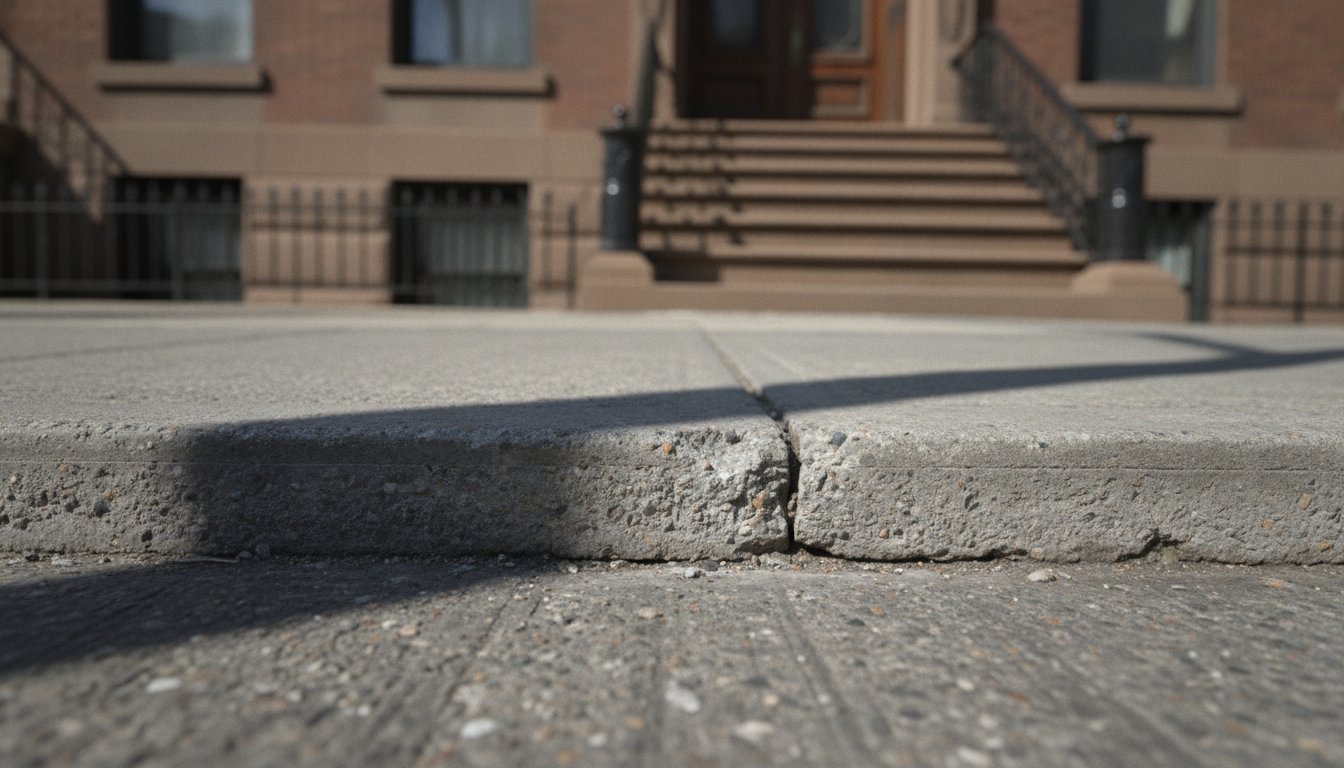
A single half-inch gap in your concrete isn’t just a maintenance oversight; it’s a legal liability that could cost you millions in a New York City courtroom. Under NYC Administrative Code § 7-210, the burden of maintaining safe walkways shifted from the city directly to the property owner. This means understanding your liability for sidewalk trip hazard nyc is no longer optional. You’re likely already concerned about the complexity of DOT violation codes or the threat of a personal injury lawsuit arriving in your mailbox. It’s a stressful position to be in, especially when the line between city and owner responsibility feels blurred.
We understand that managing these regulations while maintaining your property’s structural integrity is a significant task. This guide will clarify your specific legal obligations and show you how proactive masonry repair protects your financial assets. We’ll examine the 75-day repair window, the specific defects that trigger DOT violations, and the process for clearing your property’s title. By the end of this article, you’ll have a logical plan to resolve existing hazards and secure the long-term peace of mind you deserve.
Table of Contents
Understanding NYC Administrative Code § 7-210: Who is Liable?
NYC Administrative Code § 7-210 changed the landscape for local real estate in 2003. It established a "duty of care" that requires owners to keep their sidewalks in a reasonably safe condition. This legal framework is rooted in the broader principle of premises liability, which holds property owners responsible for injuries caused by hazardous conditions on their land. If you own property in the five boroughs, you are the first line of defense against personal injury claims and property damage lawsuits.
Managing your liability for sidewalk trip hazard nyc requires constant vigilance. The law isn’t just about large-scale collapses; it covers minor defects like uneven flags or cracked concrete. There’s a common misconception that the city will always step in. In reality, the city only remains liable for one, two, or three-family residential properties that are owner-occupied and used exclusively for residential purposes. For everyone else, the financial risks are personal and direct.
The Shift from City to Property Owner
Before 2003, the City of New York handled most sidewalk litigation. Today, that responsibility rests on your shoulders. While the DOT still manages repairs for damage caused by city trees at small residential sites, most structural issues fall to the owner. The city does maintain responsibility for specific infrastructure like utility covers or fire hydrants, but the surrounding concrete is your domain. Failing to address these areas can lead to filed violations that complicate property sales or refinancing.
Why Commercial and Multi-Unit Owners Face Higher Risks
Owners of commercial buildings or large residential complexes face the highest scrutiny. This duty is non-delegable. Even if your lease agreement requires a tenant to clear snow or report cracks, the court still looks to you if an accident occurs. Maintaining structural integrity through professional sidewalk repair is the only reliable way to mitigate this risk. A disciplined approach to masonry maintenance prevents small cracks from becoming multi-million dollar legal burdens.
Identifying NYC Sidewalk Trip Hazards: The 1/2 Inch Rule
The NYC Department of Transportation (DOT) uses a specific metric to determine if a sidewalk is legally "defective." The most critical measurement is the vertical grade differential. If a gap between two sidewalk flags reaches 1/2 inch or more, it’s officially classified as a trip hazard. This precise measurement often serves as the primary evidence in personal injury cases involving liability for sidewalk trip hazard nyc. Even a minor shift that seems negligible to a passerby can trigger a formal violation or a costly lawsuit.
In neighborhoods across Brooklyn and Manhattan, our harsh winter freeze-thaw cycles accelerate these issues. Water enters small cracks, freezes, and expands, forcing concrete flags upward or outward. This physical shift creates "substantial defects" that DOT inspectors look for during routine sweeps. Identifying these issues early is the only way to maintain a safe environment and protect your property’s value.
Common Physical Defects That Trigger Liability
Beyond simple height differences, several other conditions create legal risk. Spalling occurs when the top layer of concrete chips and crumbles away, often due to poor-quality materials or excessive salt use in winter. This creates a pitted, uneven surface that’s difficult for pedestrians to navigate. Another common issue is hardware out of grade. This happens when utility covers, grates, or cellar doors no longer sit flush with the surrounding concrete. While utility companies are often responsible for the hardware itself, the property owner is typically liable for the concrete immediately surrounding it. If you notice these gaps forming, seeking professional sidewalk violation removal can help you address the issue before it escalates.
The Role of Tree Roots in Sidewalk Displacement
Tree roots present a unique challenge for NYC owners. Growing roots can easily lift heavy concrete flags, creating significant trip hazards. For owner-occupied one, two, or three-family homes, the city generally doesn’t issue violations for damage caused solely by city trees. However, for commercial properties or larger residential buildings, the owner remains responsible for the repair. This requires careful coordination with the Parks Department to ensure roots are pruned correctly without damaging the tree’s health or structural stability.

Proactive Remediation: How Sidewalk Repair Eliminates Liability
A wait-and-see strategy often leads to significant financial loss for NYC property owners. While the previous sections detailed the legal definitions of defects, remediation is about executing a long-term defense. A single personal injury settlement can easily exceed the cost of professional concrete replacement, making proactive maintenance the most effective way to manage your liability for sidewalk trip hazard nyc. By addressing structural issues before an accident occurs, you transform a potential legal burden into a managed property asset.
Clearing your property’s title requires more than just patching a crack. It involves a specific administrative process known as sidewalk violation removal nyc. This process ensures that the County Clerk’s records reflect the safe condition of your walkway, which is essential during any real estate transaction or refinancing attempt.
Steps to Remove an NYC DOT Sidewalk Violation
Once the DOT issues a Notice of Violation, you have a 75-day window to perform repairs. If you miss this deadline, the city may perform the work and bill you through the Department of Finance. To dismiss the violation correctly, you must hire a licensed contractor to perform the work according to current DOT specifications. After the physical work is finished, you must submit a formal request for a dismissal inspection. Only after a city inspector verifies the repair will the violation be officially removed from your property record.
Choosing the Right Contractor for Historic Districts
Maintaining the character of historic Brooklyn brownstones requires a specialized approach. In landmarked areas, the sidewalk must often match the aesthetic of the existing brownstone facade to remain in compliance. This isn’t just about safety; it’s about preserving the property’s market value. Progressive Contracting NY Corp provides professional assessments of these hazards, ensuring that every repair meets both legal safety standards and neighborhood architectural requirements. Contact us today to secure your property and eliminate your liability for sidewalk trip hazard nyc through expert craftsmanship.
Securing Your Property and Peace of Mind
Transitioning from understanding the legal landscape to taking physical action is the final step in securing your investment. As we’ve explored, the 1/2 inch rule and NYC Administrative Code § 7-210 create a strict environment where property owners must remain vigilant. By executing a plan to remediate these hazards, you effectively close the window on potential litigation and administrative penalties. This disciplined approach to property management ensures that your walkways remain an asset rather than a liability for sidewalk trip hazard nyc.
Progressive Contracting NY Corp brings over a decade of local contracting experience to every project, specializing in the unique masonry needs of historic Brooklyn and Manhattan. Our expertise in NYC DOT violation removal allows us to navigate the city’s complex inspection processes with total transparency. We don’t just pour concrete; we restore the structural integrity and aesthetic value of your property’s frontage. Taking these steps today prevents the long-term stress of unresolved violations and legal claims.
Protect your property—request a sidewalk repair estimate today. Our team is ready to provide the reliable guidance and high-level craftsmanship needed to protect your peace of mind.
Frequently Asked Questions
Am I liable if someone trips on the sidewalk in front of my house in NYC?
You are likely liable unless your property is a one, two, or three-family home that’s owner-occupied and used exclusively for residential purposes. For all other property types, including commercial buildings and multi-unit rentals, the responsibility for maintaining a safe walkway rests entirely on the owner. This includes the legal liability for sidewalk trip hazard nyc should an accident occur due to uneven concrete or poor maintenance.
What is the 1/2 inch rule for NYC sidewalks?
The 1/2 inch rule is the technical standard the NYC Department of Transportation uses to define a substantial defect. If there’s a vertical grade differential of 1/2 inch or more between adjacent sidewalk flags, it’s officially classified as a trip hazard. This measurement is often the deciding factor in whether a DOT inspector issues a violation or a plaintiff’s attorney files a personal injury claim.
Does a sidewalk violation show up on a title search when selling a property?
Yes, a Notice of Violation is filed with the County Clerk and will appear during a title search. While the violation doesn’t carry an immediate fine, it acts as an encumbrance on the property that can prevent you from selling or refinancing. You must complete the necessary repairs and pass a DOT dismissal inspection to clear the record and ensure a clean title transfer.
Who is responsible for fixing sidewalks damaged by city tree roots?
Responsibility depends on your property type. For owner-occupied one, two, or three-family residential properties, the city generally assumes responsibility for repairs if the damage is caused solely by city trees. However, owners of commercial properties, vacant lots, or residential buildings with four or more units must perform and fund these repairs themselves. This often requires coordinating with the Parks Department to ensure the work doesn’t harm the tree.
How long do I have to fix a sidewalk trip hazard after receiving a DOT notice?
You have exactly 75 days from the date the Notice of Violation is issued to complete the required repairs. If you fail to hire a licensed contractor and finish the work within this timeframe, the DOT may perform the repairs using its own contractors. The city will then send you a bill for the work through the Department of Finance, which often costs more than hiring a private specialist to manage your liability for sidewalk trip hazard nyc.