
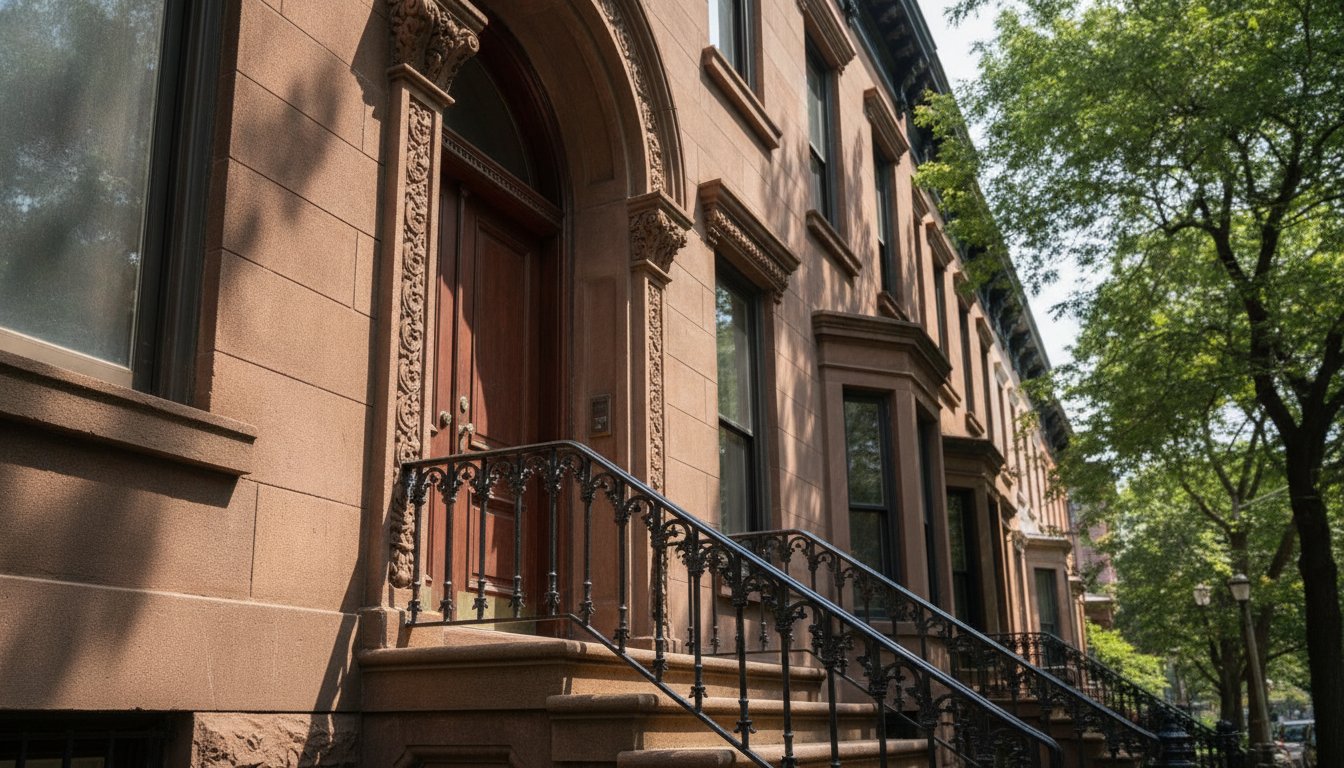
Most people walking through Brooklyn or Manhattan assume they’re looking at solid stone fortresses, but the reality is much more delicate. The question of what is a brownstone actually leads you to a specific type of Triassic-Jurassic sandstone that was once considered a “cheap” alternative to marble and granite. While these buildings define the New York skyline, many owners struggle to distinguish a genuine historic facade from a modern concrete imitation. Identifying the difference is the first step toward protecting a significant financial and historical investment.
It’s understandable to feel overwhelmed by technical jargon and the potential costs of maintaining a century-old exterior. You want to honor the history of your home without falling into a cycle of expensive, temporary repairs. In this guide, we’ll uncover the geological origins of this iconic material and explain the architectural styles that made it famous. We’ll also provide practical steps for identifying authentic stone and the essential maintenance routines required to keep these historic treasures standing for another hundred years.
Key Takeaways
- Identify the specific Triassic-Jurassic sandstone that defines what is a brownstone and why its iron content creates that famous chocolate color.
- Recognize essential architectural features like the stoop and the cornice, which serve both social and protective functions for the building.
- Learn how to distinguish authentic historic stone from modern concrete imitations to ensure proper maintenance and value preservation.
- Understand common structural issues like spalling and face-bedding that can cause the facade to peel or crumble over time.
- Gain the knowledge needed to oversee a successful restoration project that respects traditional masonry methods and ensures long-term durability.
Defining the Brownstone: Geology Meets Architecture
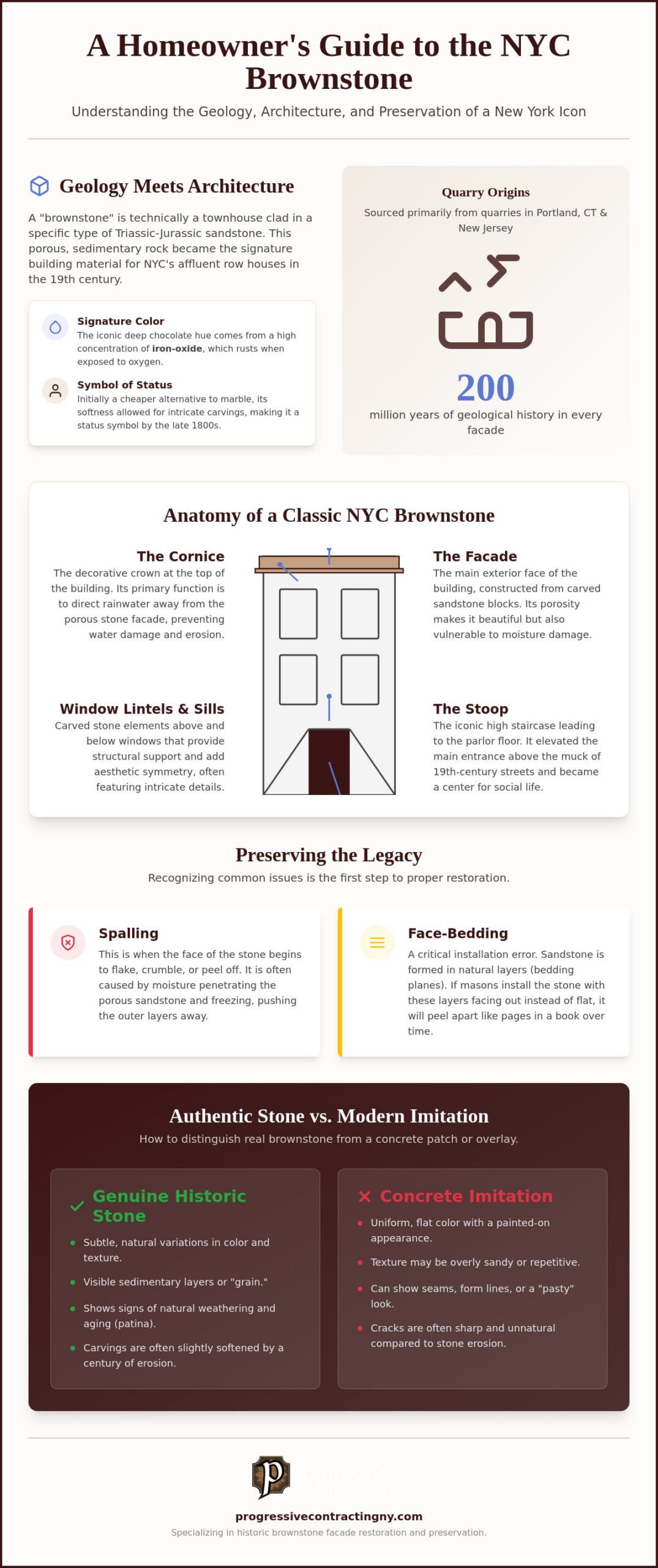
To truly understand What is a brownstone?, you have to look at the ground beneath your feet. Technically, these buildings are townhouses clad in brown Triassic-Jurassic sandstone. This material formed over 200 million years ago, but it became the backbone of New York City’s residential architecture during the 19th century. The signature chocolate hue comes from a high iron-oxide content within the stone, which reacts with oxygen to create that deep, earthy color.
During the late 1800s, builders moved away from expensive marble and granite. They turned to quarries in Portland, Connecticut, and various sites in New Jersey. These locations provided a steady supply of stone that was easy to transport via water. Over time, the material name became the standard way to describe high-end row houses. While the term technically describes the stone, the question of what is a brownstone now refers to a specific cultural icon. It’s a geological legacy.
Watch this educational video to see how these buildings hold 200 million years of history:
The Stone: Why Brown Sandstone?
Sandstone is a porous sedimentary rock. Masons loved its softness. This quality made it a favorite for 19th-century craftsmen because it was easy to carve into intricate decorative patterns. However, this porosity also creates challenges for modern brownstone repair. The stone is formed in layers called bedding planes. If a mason installed the stone with these planes facing outward, the stone eventually peels. Experts call this mistake face-bedding.
The Townhouse: When Style Became the Name
In the mid-19th century, brownstone was an affordable alternative to limestone. By the 1880s, its popularity among the upper middle class transformed it into a symbol of wealth. You’ll often see “brick houses with brownstone trim,” where the stone only highlights the windows. A true brownstone features a full facade. Today, these homes represent valuable real estate that requires specialized care to maintain historic integrity.
The Anatomy of an NYC Brownstone: Historic Features
Understanding what is a brownstone requires a close look at the specific anatomical features that define these row houses. Unlike modern townhomes, a classic brownstone follows a strict architectural rhythm. The most recognizable element is the high stoop. These stairs served a practical purpose in the 19th century, lifting the main entrance above street-level grime and horse manure common in old New York. This elevated design created the “parlor floor,” which remains the most prestigious level of the home today.
At the very top of the building, the cornice acts as more than just a decorative crown. This projecting element is essential for the building’s survival because it directs rainwater away from the stone facade. Without a functional cornice, water runs down the porous sandstone, accelerating erosion. Between the stoop and the cornice, carved window lintels and sills provide structural support and aesthetic symmetry. These features are fundamental to the History of NYC Brownstones, as they showcase the high level of craftsmanship expected during the Victorian era.
The Iconic NYC Stoop
The “Rammstein” stoop is a hallmark of Brooklyn and Manhattan masonry. This style refers to a specific method of layered stone construction that creates a solid, imposing entryway. Maintaining the structural integrity of these stairs is vital. Cracks in the masonry allow water to seep into the core, which leads to internal rot and eventual collapse. Owners often seek professional stoop restoration to address these vulnerabilities before they become hazardous. If you notice crumbling edges or loose treads, it’s time to consult a specialist to stabilize the structure.
Decorative Masonry Elements
Italianate and Renaissance Revival styles feature deep carvings, such as acanthus leaves and scrolled brackets. These intricate details were originally hand-carved into the soft sandstone. During a modern brownstone facade construction, experts recreate these rhythms using specialized mortar mixes that mimic the original stone’s texture and breathability. Precision in these details ensures the building maintains its historic status and curb value. Proper restoration doesn’t just fix the surface; it respects the original design intent of the master masons who built the city.
Preserving the Legacy: Common Issues and Restoration
Maintaining these homes is a long-term commitment to the history of brownstone architecture. While the material is iconic, it’s also susceptible to environmental stress. The question of what is a brownstone eventually leads every owner to the topic of masonry science. Because the stone is sedimentary and porous, it reacts poorly to New York’s harsh freeze-thaw cycles. Moisture trapped within the stone expands as it turns to ice, creating internal pressure that compromises the facade’s integrity.
Spalling is the most frequent result of this pressure. This is when the outer layers of the stone peel away in thin sheets, much like an onion. The danger is often compounded by face-bedding, a mistake made during the original construction. When stones were installed with their natural bedding planes running vertically, they became prone to vertical cracking and crumbling. Modern brownstone repair requires a deep understanding of these geological flaws to ensure a lasting fix.
Restoration is not a DIY project. Standard cement or store-bought mortars are too dense and rigid for historic sandstone. If the material can’t breathe, moisture stays trapped and accelerates rot. Professional restoration involves removing all decayed stone and applying specialized, vapor-permeable mortars that are custom-tinted to match the original chocolate hue. This process restores the building’s structural health while preserving its historic appearance.
Identifying Spalling and Water Damage
Early intervention saves money and prevents structural failure. Look for “sugar,” which is a fine sanding or powdering on the surface of the stone. Other warning signs include visible hairline cracks or small pieces of stone collecting on the sidewalk. If you notice these symptoms, it’s best to consult a brownstone specialist in Brooklyn for a professional assessment. Catching water infiltration early prevents the damage from reaching the underlying brickwork.
The Restoration Process
A professional restoration follows a logical, sequential path. First, we strip away the loose and damaged stone to expose a solid surface. We then apply a series of mortar layers, starting with a scratch coat for adhesion. The final layer is carefully tooled to mimic the natural texture and grain of the original stone. Using vapor-permeable materials is non-negotiable. These products allow water vapor to escape, ensuring the facade remains stable through many more winter seasons.
Protecting Your Historic Investment
A brownstone is more than just a piece of real estate; it’s a geological artifact that requires specific technical knowledge to maintain. Understanding what is a brownstone allows you to spot early signs of decay like spalling or “sugar” before they lead to structural failure. By focusing on the health of your cornice and the integrity of your stoop, you ensure your home remains a stable part of the city’s architectural legacy. Proper restoration isn’t about cosmetic fixes. It’s about using the right vapor-permeable materials to keep the stone healthy for decades.
Progressive Contracting NY Corp brings decades of masonry experience to every project. We specialize in meeting the strict NYC Landmarks Preservation Commission (LPC) standards required for homes in historic districts like Bed-Stuy and Park Slope. Our team understands the unique challenges of 19th-century construction and provides the precise care your facade deserves. Request a Professional Facade Inspection from Progressive Contracting NY Corp today to secure the future of your home. Your building has stood for over a century, and with the right care, it will continue to define New York’s streets for generations to come.
Frequently Asked Questions
Is a brownstone the same as a townhouse?
A brownstone is not the same as a townhouse; the terms describe two different things. A townhouse refers to the architectural style of a row house, whereas the term brownstone specifically describes the Triassic-Jurassic sandstone used to clad the facade. While many historic New York townhouses are brownstones, you’ll also find plenty of row houses built with brick, limestone, or granite.
Why is brownstone so common in Brooklyn and Manhattan?
Brownstone became dominant in Brooklyn and Manhattan because it was an affordable and accessible material during the 19th-century building boom. Quarries in Portland, Connecticut, and northern New Jersey provided a massive supply that was softer and easier to carve than granite. This allowed builders to create the ornate, chocolate-colored facades we see today without the high costs associated with more durable stones.
How can I tell if my facade is real brownstone or just painted?
You can identify authentic stone by looking for natural grain patterns and signs of weathering like peeling layers. If you’re wondering what is a brownstone versus a brown-painted concrete facade, check for uniform texture and color. Real stone has subtle variations, while painted surfaces often look overly smooth. You might also see gray concrete or stucco peeking through areas where the paint has chipped or bubbled.
What is spalling, and is it dangerous for my home’s structure?
Spalling is the process where layers of stone flake or peel away due to trapped moisture and freeze-thaw cycles. It’s a common issue that begins as a cosmetic problem but can lead to structural concerns if you don’t address it. When the protective outer layer of the stone fails, water can reach the interior brickwork and timber joists. This creates a path for rot and more expensive structural repairs over time.