
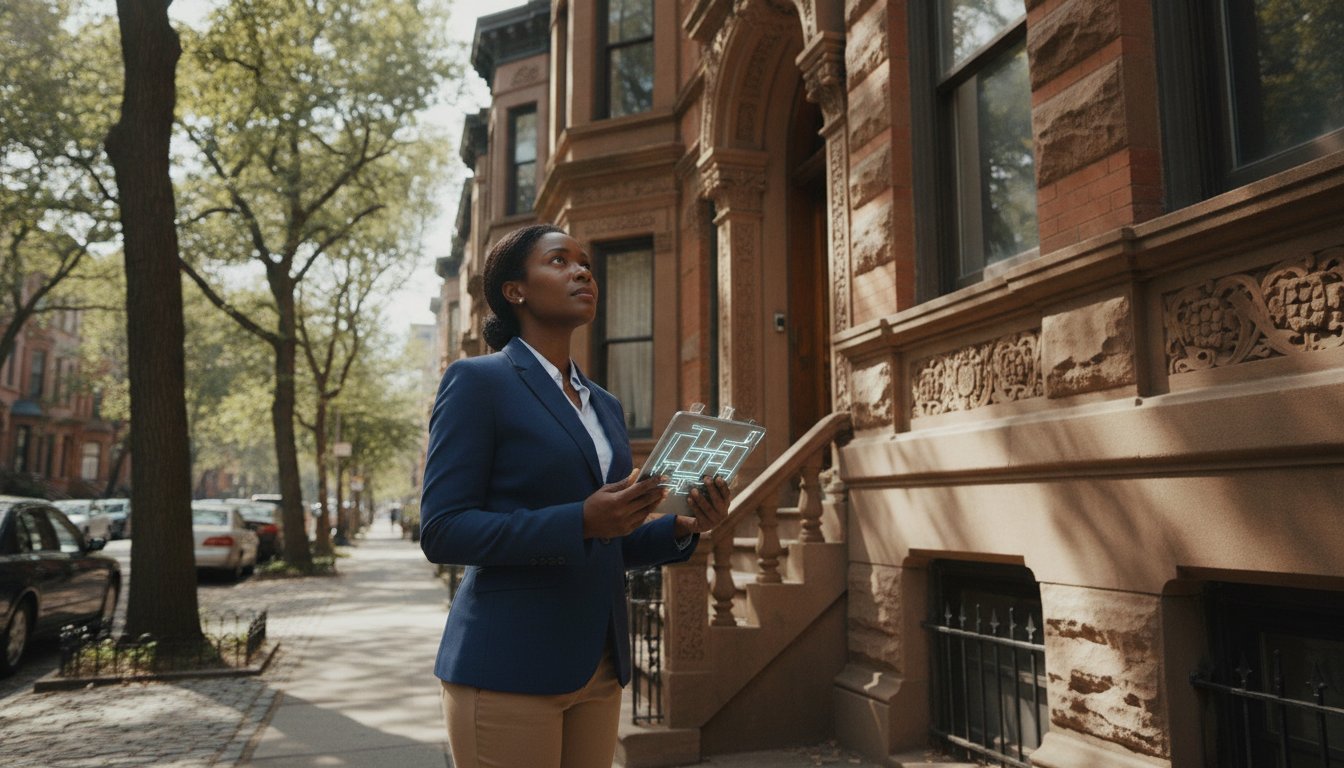
You spent months planning your brownstone restoration, only to receive a formal rejection letter from the Landmarks Preservation Commission. It’s a frustrating setback that often leads to project delays and the threat of heavy NYC fines under the 2026 “Get Sheds Down” legislation. We understand the stress of navigating complex preservation standards while protecting your property’s value. It is common to feel stuck wondering what to do if my LPC application for facade work is denied while sidewalk shed permits approach the new 90-day expiration limit. This guide provides the exact steps to navigate a denial and successfully revise your plans for approval. You’ll learn how to analyze the LPC’s feedback and update your masonry specifications for 2026 compliance. For expert guidance, Progressive Contracting of NY (License 2097623-DCA) is available at 347-341-3808, 718-350-7388, or ProgressiveContractingNY@yahoo.com to help you secure your permit.
Decoding Your LPC Denial: Understanding NYC Landmarks Rejection Reasons
Receiving a rejection doesn’t mean your project is over. The first step in determining what to do if my LPC application for facade work is denied is identifying the rejection type. Most decisions from the New York City Landmarks Preservation Commission are either staff-level rejections or public hearing decisions. Staff-level issues usually involve technical errors in your material choices or documentation. Public hearing denials are broader and often focus on how your proposal impacts the historic district’s character. You’ll find specific objections in your “Notice of Denial” or “Status Update” document.
Distinguishing between a minor modification request and a full project rejection is vital for your timeline. A minor request might only ask you to adjust a mortar tint or a window profile. A full rejection often requires a total overhaul of your restoration plan. Progressive Contracting of NY (License 2097623-DCA) helps owners determine exactly what to do if my LPC application for facade work is denied by analyzing these technical objections. You can contact our team at 347-341-3808 or 718-350-7388, or email ProgressiveContractingNY@yahoo.com for a professional review of your denial letter.
The Most Common Pitfalls in Brownstone Facade Applications
Technical errors are the leading cause of application failure in historic districts like Park Slope or Bed-Stuy. Many property owners propose modern Portland cement, but the LPC strictly requires historic lime-based mortars. These materials are essential for structural integrity because they allow moisture to escape the masonry. Another frequent hurdle is brownstone spalling repair that fails to match the original stone’s texture or color. If your contractor uses incorrect brick pointing techniques or non-historic stoop materials, the commission will likely reject the work. Precision in material matching is the only way to ensure your revised application earns approval.
Immediate Steps to Rectify a Denied Facade Permit
Once you identify why your application failed, act quickly to avoid the fines associated with the 2026 “Get Sheds Down” legislation. The first step in deciding what to do if my LPC application for facade work is denied is to schedule a technical consultation with the assigned LPC staff preservationist. They’ll clarify their objections beyond the formal letter and offer a path forward. Following this, collect physical samples of your proposed materials. You’ll also need to update your architectural drawings to reflect the specific historic profiles requested. If the work involves significant changes, you might need to re-submit under a Certificate of Appropriateness (CofA) rather than a simple permit for minor work.
The Official LPC Permit Guidebook provides the framework for these revisions. It outlines the standards for acceptable documentation and material choices that the commission expects from property owners. Following these guidelines closely reduces the risk of a second rejection.
Material Matching: The Key to Winning an LPC Appeal
Knowing what to do if my LPC application for facade work is denied starts with mastering material matching. For projects involving brick pointing nyc, you must select pigments and aggregates that mimic the original mortar’s color and texture. Documenting the historic condition is equally important. Use high-resolution photos of protected or unweathered areas of the facade to prove your restoration is authentic. A mock-up is a small, physical sample of the proposed repair applied directly to the building for the LPC staff to inspect and approve.
If you’re overwhelmed by these technical requirements, a brownstone specialist can manage the technical resubmission for you. Progressive Contracting of NY (License 2097623-DCA) brings years of experience to these complex appeals. Reach us at 347-341-3808 or 718-350-7388, or email ProgressiveContractingNY@yahoo.com to get your project back on track. We’ll ensure your revised plans meet every historic standard required for approval.

Partnering with a Historic Restoration Specialist for Approval
General contractors often struggle with the technical nuances of historic masonry. While they may handle modern construction well, they frequently fail LPC inspections because they lack experience with traditional materials. Specialists succeed by aligning project goals with specific preservation standards from the start. We manage the delicate relationship between the NYC Department of Buildings (DOB) and the LPC. This ensures your project meets safety codes without compromising historic integrity. If you’re stuck figuring out what to do if my LPC application for facade work is denied, hiring a licensed professional is the most effective solution.
Open violations can halt a property sale or trigger significant fines. Specialized brownstone stoop restoration often serves as the final step to resolve these issues and clear your building’s record. A licensed contractor provides necessary liability insurance and handles all permit filings, removing the administrative burden from the owner. This professional accountability is what eventually leads to a signed-off permit and a protected investment.
Expert Guidance for Brooklyn and Manhattan Property Owners
Our team has extensive experience in the Bed-Stuy and Park Slope historic districts. These areas face the highest levels of LPC oversight in the city. We use license 2097623-DCA to ensure every repair meets NYC administrative codes and historic guidelines. If your permit was rejected, don’t risk a second denial with an inexperienced crew. Reach Progressive Contracting of NY at 347-341-3808 or 718-350-7388. You can also email ProgressiveContractingNY@yahoo.com to discuss your technical objections. We provide the steady hand needed to navigate what to do if my LPC application for facade work is denied while protecting your property’s long-term value.
Securing Your Permit and Protecting Your Historic Investment
Navigating the Landmarks Preservation Commission requirements doesn’t have to be a source of constant project delays. By identifying specific technical objections and prioritizing authentic material matching, you can move your restoration forward with confidence. Understanding exactly what to do if my LPC application for facade work is denied ensures you avoid the steep fines associated with 2026 regulations and the updated “Get Sheds Down” rules. As a Licensed NYC Contractor (2097623-DCA), we specialize in historic brownstone renovation and NYC sidewalk violation removal. We’re here to provide the technical precision your property deserves.
Your building’s legacy is worth the extra effort of a precise, historic restoration. We look forward to helping you achieve a successful approval and a beautiful facade.
Frequently Asked Questions
Can I appeal an LPC denial for facade work?
Yes, you can appeal a denial by revising your proposal to meet the Commission’s technical standards. Most appeals start with a consultation with an LPC staff member to clarify specific objections regarding materials or techniques. This is a critical step in determining what to do if my LPC application for facade work is denied. If your staff-level application is rejected, you may need to seek a Certificate of Appropriateness through a public hearing.
What is a Certificate of Appropriateness in NYC?
A Certificate of Appropriateness (CofA) is a formal permit required for work that significantly alters the appearance of a landmarked property. Unlike minor work permits, a CofA usually involves a public hearing where the Commission determines if the changes are historically suitable. This permit is necessary for major projects like full facade renovations or stoop reconstructions in historic districts like Park Slope and Bed-Stuy.
How long does the LPC permit revision process take?
The revision process typically spans several weeks to several months depending on the nature of the denial. Staff-level technical corrections move faster, while projects requiring a public hearing follow a stricter schedule. Because the LPC processed 4,134 applications in early fiscal year 2026, efficiency is critical. Working with Progressive Contracting of NY (License 2097623-DCA) helps you submit high-quality material mock-ups immediately to prevent further delays.
What happens if I perform facade work without an LPC permit?
Performing unpermitted work on a landmarked building results in a Notice of Violation and significant financial penalties. In 2026, “Type A” violations for major structural changes carry fines up to $5,000. You may also face stop-work orders from the DOB. If you are unsure what to do if my LPC application for facade work is denied, contact us at 347-341-3808 or ProgressiveContractingNY@yahoo.com to avoid these penalties.