
Get info (347)-341-3808,(718)-350-7388
A single hairline crack in your facade isn’t just an eyesore; it’s a direct entry point for New York City’s brutal freeze-thaw cycles. Most homeowners understand that historic masonry requires constant attention, but the fear of hidden costs and complex DOB regulations often leads to maintenance paralysis. If you’ve noticed crumbling stone or spalling on your stoop, you’re likely concerned about the long-term structural integrity of your home. Addressing a brownstone exterior repair nyc project early is the only way to avoid the aggressive penalties associated with the city’s latest "Get Sheds Down" initiative.
We understand that your brownstone is both a significant financial investment and a piece of New York history. This guide provides a practical, expert-backed checklist to help you identify facade damage before it escalates into an emergency. You’ll learn how to distinguish between cosmetic wear and serious structural threats, understand the latest local laws regarding sidewalk sheds, and feel confident when vetting a masonry specialist. By following a methodical maintenance schedule, you can protect your property’s value and ensure your historic home remains a neighborhood landmark for decades to come.
Table of Contents
Diagnostic Checklist: Identifying Brownstone Exterior Damage
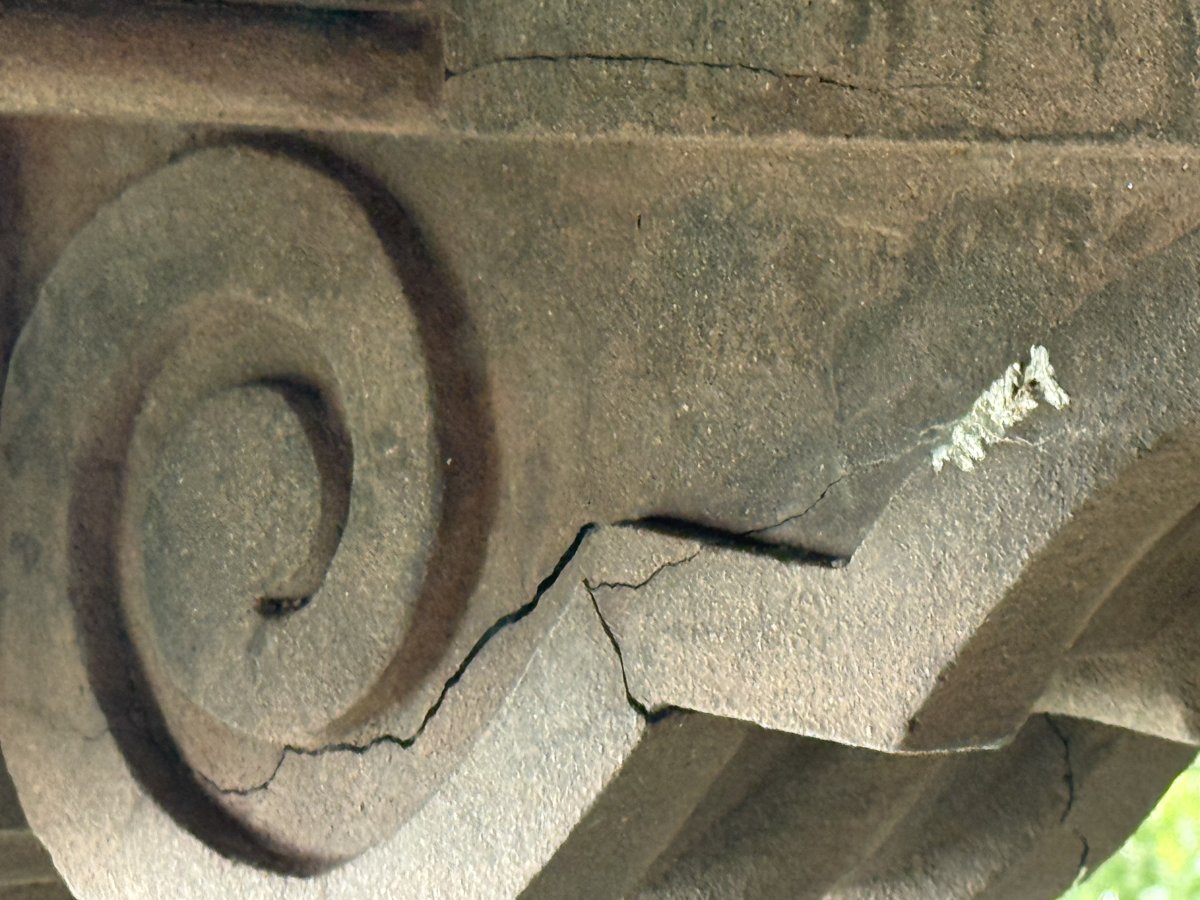
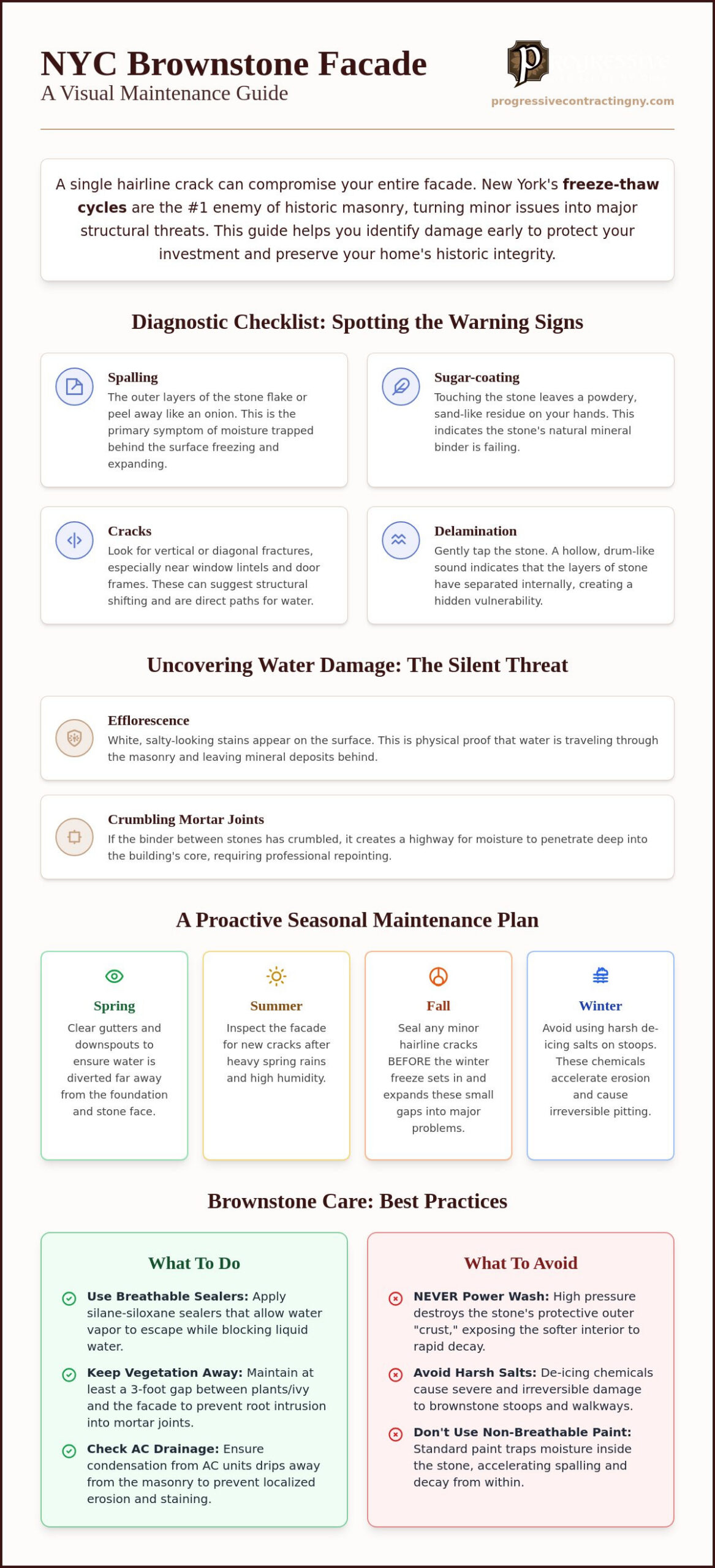
Identifying the specific type of damage is the first step in any successful brownstone exterior repair nyc project. You don’t need to be a mason to spot the early warning signs of deterioration. Start by examining the surface of the stone for "spalling," where the outer layers begin to flake or peel away like an onion. Spalling is the primary symptom of NYC brownstone decay, often caused by water trapped behind the stone’s surface freezing and expanding. To understand why this happens, it’s helpful to know What is Brownstone? specifically. It’s a porous sandstone that naturally absorbs moisture, making it susceptible to the city’s harsh environmental changes.
To better understand this concept, watch this helpful video:
Beyond peeling layers, look for "sugar-coating." If you touch the stone and it leaves a powdery residue on your hands, the mineral binder is failing. You should also check for cracks; vertical or diagonal fractures near window lintels and door frames often suggest structural shifting. Finally, test for delamination by gently tapping the stone. A hollow, drum-like sound indicates the stone layers have separated internally, even if they look solid from the outside.
Spotting Early Signs of Water Infiltration
Water is the greatest threat to masonry. Look for efflorescence, which appears as white, salty stains on the surface. These deposits prove that water is traveling through the stone and depositing minerals as it evaporates. Inspect the mortar joints carefully. If the binder has crumbled away, you’ll likely need professional brownstone restoration or repointing to prevent moisture from reaching the building’s core. Always check your interior walls. Damp spots that align with exterior cracks are a clear sign of a breach.
Assessing Stoop and Cornice Integrity
The stoop and cornice are often the first areas to show fatigue. Inspect your Rammstein stoop for deep cracks or sinking steps, as these can lead to structural instability. Up at the roofline, check the metal or stone cornice for rust, peeling paint, or any visible separation from the facade. These elements are not just decorative. They direct water away from the face of the building. When they fail, the entire facade is at risk.
Seasonal Maintenance Checklist for NYC Brownstone Facades
NYC’s freeze-thaw cycle is the #1 enemy of historic stone. When moisture trapped within the stone’s pores freezes, it expands and creates internal pressure that eventually leads to spalling. A proactive approach to brownstone exterior repair nyc involves addressing these threats before the first frost. By following a seasonal schedule, you can catch minor issues before they require a full-scale restoration.
-
Spring: Clear gutters and downspouts immediately. You must ensure water is diverted far away from the stone face to prevent saturation and deep-seated moisture damage.
-
Summer: Inspect the facade for new cracks after heavy spring rains. High humidity can also reveal areas where the stone is failing to breathe properly.
-
Fall: Seal any minor hairline cracks you find. It’s vital to learn how to repair brownstone facade damage effectively before the winter freeze sets in and expands those gaps.
-
Winter: Avoid using harsh de-icing salts on brownstone stoops. These chemicals accelerate erosion and cause irreversible pitting and "sugar-coating" in the masonry.
The ‘3-Foot Rule’ for NYC Brownstone Care
Vegetation is a common but avoidable cause of masonry damage. Keep plants and climbing ivy at least three feet away from the facade. Roots can penetrate mortar joints and pull the stone away from the building’s structure. Similarly, check your air conditioning units. Ensure they’re properly tilted so condensation doesn’t drip onto the masonry, which can lead to localized erosion and staining. For more expert tips, you can read how to Maintain That Beloved Brownstone through simple habit changes that protect your investment.
Cleaning and Protective Coatings
Cleaning your facade requires a gentle touch. You should always avoid power washing; the high pressure can destroy the stone’s delicate "crust" and expose the softer interior to the elements. If you choose to seal your home, use breathable silane-siloxane sealers rather than non-breathable paints. These sealers allow water vapor to escape while preventing liquid water from entering. If you’re unsure about the current state of your masonry, a professional brownstone specialist can provide a thorough assessment to ensure your home is ready for the upcoming season. For a deeper look at how stone failure progresses and what professional intervention involves, our guide on brownstone facade deterioration repair covers the full spectrum of identifying and fixing NYC stone damage.
Professional Intervention Checklist: Vetting an NYC Specialist
Finding a contractor for brownstone exterior repair nyc requires more than a simple search. You need a specialist who understands the unique chemistry of historic sandstone. Start by verifying that the contractor holds a valid NYC Home Improvement Contractor (HIC) license. This is a basic requirement for accountability. Ask to see a portfolio of recent brownstone restoration projects in Brooklyn or Manhattan. A seasoned professional will be able to show you clear "before and after" examples of their craftsmanship in your specific neighborhood.
Material choice is the most critical factor in a lasting repair. Confirm that your contractor uses breathable, lime-based mortars. Many general contractors mistakenly use modern Portland cement. It’s too hard for soft brownstone. This mistake causes the stone to crack and crumble within a few seasons. Request a detailed breakdown of their strategy. A reliable expert will explain when a "patching" technique is appropriate and when a "full replacement" of the stone face is necessary to maintain structural integrity.
Understanding the Rammstein Stoop Restoration Process
Your stoop is a structural element, not just a set of stairs. A proper restoration involves more than a finish coat. Ensure the contractor reinforces the underlying masonry before applying any decorative layers. This foundational work prevents the new surface from cracking under the weight of foot traffic. You can find more details on these techniques in our guide to Historic brownstone renovation Brooklyn best practices.
Compliance and Permits for NYC Facades
NYC regulations are strict, especially in historic districts. Check if your property falls under the jurisdiction of the Landmarks Preservation Commission (LPC). Working on a landmarked building requires specific permits and adherence to historical accuracy. Your contractor should handle these permit requirements for facade construction in NYC to ensure you avoid costly DOB violations. Ready to protect your home? Schedule a professional facade assessment today to get a clear path forward for your restoration project.
Securing Your Brownstone’s Future
Preservation is a continuous process of observation and action. By identifying early signs of delamination and following a strict seasonal maintenance schedule, you protect your home from the most aggressive elements of the city’s climate. A successful brownstone exterior repair nyc project relies on using the correct traditional materials and addressing structural vulnerabilities, such as the stoop, before they compromise the facade’s stability. Neglecting these small details often leads to the very costs and regulatory penalties every homeowner wants to avoid.
We’ve served Brooklyn and Manhattan for over a decade as specialists in historic masonry and facade preservation. Our team focuses on expert Rammstein stoop restoration and meticulous craftsmanship that respects the original character of your property. We understand the unique challenges of maintaining these historic structures and provide the transparency you need for total peace of mind. If you’re ready to address your facade’s needs with a partner you can trust, Get a Free Estimate for Your NYC Brownstone Repair.
Protecting your piece of New York history starts with a single proactive step. With the right maintenance plan and professional support, your home will remain a neighborhood landmark for generations to come.
Frequently Asked Questions
How much does a typical brownstone exterior repair cost in NYC?
The total investment for brownstone exterior repair nyc depends on several variables, including the building’s height, its landmark status, and the extent of the stone’s deterioration. Costs are influenced by the need for specialized scaffolding, the complexity of the architectural details, and the current state of the underlying masonry. A thorough on-site inspection is the only way to determine a precise scope of work and a reliable project estimate.
Is spalling brownstone a structural emergency?
Spalling is usually a sign of progressive decay rather than an immediate structural failure, but it demands prompt attention. While flaking stone might start as a cosmetic issue, it proves that moisture is successfully penetrating the facade. If you ignore these early signs, water eventually reaches the structural backup walls or wooden joists, which can lead to much more dangerous and expensive stability problems over time. Understanding the full scope of brownstone facade deterioration repair can help you act before minor spalling becomes a major structural concern.
Can I use regular cement to repair my brownstone facade?
You should never use modern Portland cement for brownstone repairs because it’s too dense and non-breathable for historic masonry. Portland cement traps moisture inside the softer brownstone, which then freezes and expands during the winter. This internal pressure causes the original stone to rot and crumble behind the patch. Professional restorations always use specialized, lime-based mortars that mimic the natural porosity and flexibility of the original stone.
What is the difference between brownstone restoration and brownstone repair?
Brownstone repair focuses on fixing localized issues, such as filling a single crack or patching a small area of spalled stone on a stoop. Restoration is a much more comprehensive process that involves addressing the entire facade. During a restoration, specialists often remove all failing layers of the stone’s surface and apply a new, uniform finish coat to ensure the building is fully protected and historically accurate.
How often should I repoint the bricks on my NYC brownstone?
Most historic buildings require a mortar inspection every five to ten years, with full repointing typically needed every 20 to 30 years. The actual frequency depends on your building’s exposure to wind and rain. You’ll know repointing is necessary when the mortar begins to crumble, deep gaps appear between the bricks, or you notice white mineral stains on the surface of the masonry.
Does the NYC Landmarks Preservation Commission (LPC) need to approve my repairs?
If your home is located within a designated historic district, you must obtain LPC approval before starting any exterior work. This requirement applies to both minor repairs and major renovations. The commission ensures that the materials, colors, and techniques used are consistent with the neighborhood’s historic character. Your contractor should be familiar with filing the necessary permits to keep your project in compliance with city regulations.